


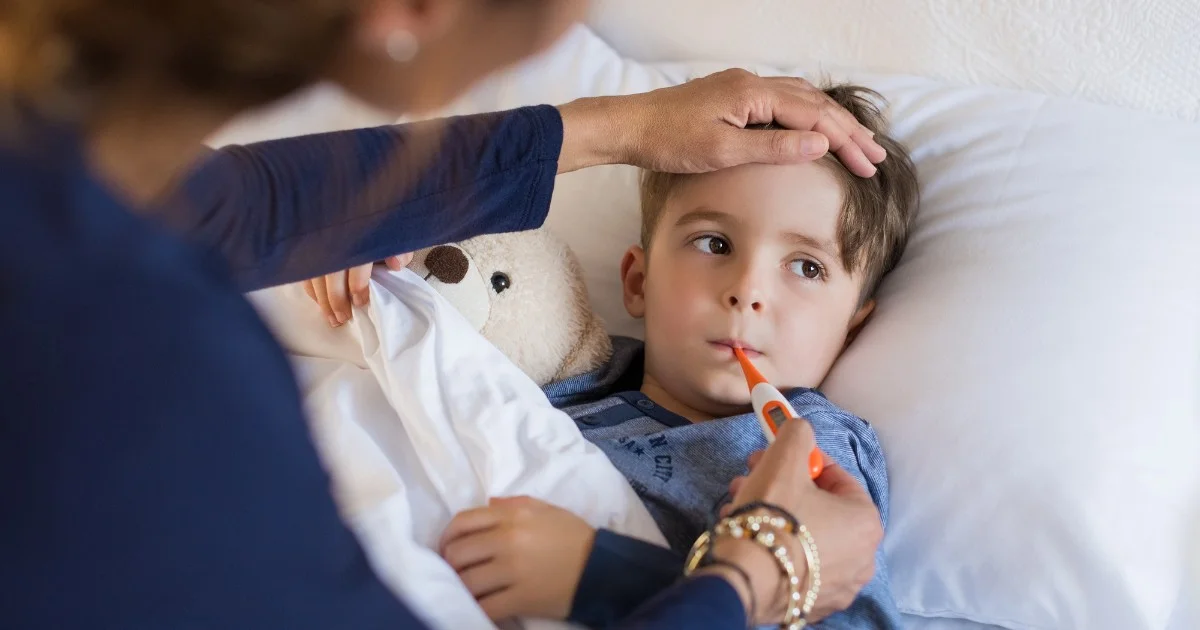
Quick Takeaways on how to prevent colds and flu at home:
- Prevention is everything: Wash your hands often to stop classroom germs from spreading.
- Track your medicine: Keep a written log of every dose so you don’t double up at 2 AM.
- Lower your standards: If you are sick, drop the chores and embrace survival mode without guilt.
- Trust your gut: Always seek medical help if your child’s symptoms worsen or they struggle to breathe.
Winter is here on the Gold Coast, and the school run has turned into a chaotic chorus of coughs. My 11-year-old seems to bring home every germ circulating in her classroom. Once a virus hits our front door, it is only a matter of time before the common cold or flu takes out the whole house.
As a single mum, there is no "backup parent" to take the night shift when the cold and flu season strikes. Trying to manage cold and flu symptoms while your dogs use your aching body as a trampoline is a special kind of solo parenting hell. You don’t need a miracle cure for the common cold or expensive smoothies; you just need a solid plan to prevent colds and flu at home.
Why is flu season so exhausting for single mums?
When you’re the sole provider, a cold feels like a massive logistical crisis. If the kids are sick, your work schedule crumbles, and you’re left managing congestion, fever, and the mental load entirely on your own. It’s exhausting, but you can help prevent or treat these bugs with some practical, no-nonsense strategies.
If the mental load of managing a sick house is overwhelming, check out our household tips for single mums to help simplify your routine.
How to prevent the spread of germs
- Wash your hands often: Make your kids wash their hands the second they walk in the door to prevent the spread of school germs.
- Keep it clean: Sanitise high-touch spots like doorknobs and remotes daily. This may help keep the respiratory tract clear of nasty bugs.
- Ventilation: If the weather allows, open windows to push out stale, germy air.
Cold or Flu: How to tell the difference?
It’s often hard to know if you are getting a cold or flu. A cold usually comes on slowly with a sore throat and runny nose, while you remain somewhat functional. The flu, however, hits like a freight train. Flu symptoms like high fever, body aches, and extreme exhaustion are your clues that it is time to see your GP.

Simple, effective home remedies that may help
While there is no cure for a cold, some natural remedies and home remedies for cold can help ease the misery.
- Fluids: Plenty of fluids are the best way to handle nasal congestion and keep kids hydrated.
- Salt water: A gargle with a teaspoon of salt and warm water is an effective home remedy for a painful sore throat.
- Support: Vitamin C and zinc are supplements that may help boost your defences against an upper respiratory infection. Found that taking vitamin C before getting sick can sometimes reduce cold and flu symptoms.
- Classic Comfort: A simple bowl of chicken soup really may help relieve the duration of cold symptoms.
If you are looking for more easy winter wellness activities, check out our guide here.
Safely managing medicine
When you are exhausted, never guess a dose. Use over-the-counter medications carefully.
- Log everything: Keep a written record of when you give pain relievers or a decongestant so you don’t double up at 2 AM.
- Use the right tool: For babies, use a bulb syringe to clear mucus.
- Check the label: Always talk to your doctor about which cough and cold medicines or antihistamines, and pain relievers are safe for your child's weight.
When is it time to see your GP?
Trust your gut. If your child has severe symptoms or trouble breathing, don't wait—seek medical help. The Centres for Disease Control and Prevention guidelines suggest that if flu can cause breathing issues, it is time to see your GP.
For more information on when to seek care, the Healthdirect guide on colds and flu is a great resource.
Frequently Asked Questions (FAQ)
What is the best way to help prevent colds and flu at home?
The best way is to wash your hands often, sanitise high-touch surfaces daily, and ensure your home is well-ventilated to help prevent the spread of germs.
Are there natural remedies that may help relieve symptoms?
Yes, home remedies like chicken soup, a salt water gargle, and staying hydrated with plenty of fluids may help relieve your cold or flu symptoms.
How do I know if it’s time to see a doctor?
If your child has severe symptoms, persistent high fever, or difficulty breathing, it is time to see your gp or seek medical help immediately.
How do I safely manage medication for my kids?
Always use over-the-counter medications based on your child's current weight, use a proper measuring tool, and keep a written log so you don’t double-dose.
Disclaimer: This is not medical advice. If you are worried about your child's health, please seek medical attention or contact a nurse via Healthdirect.