


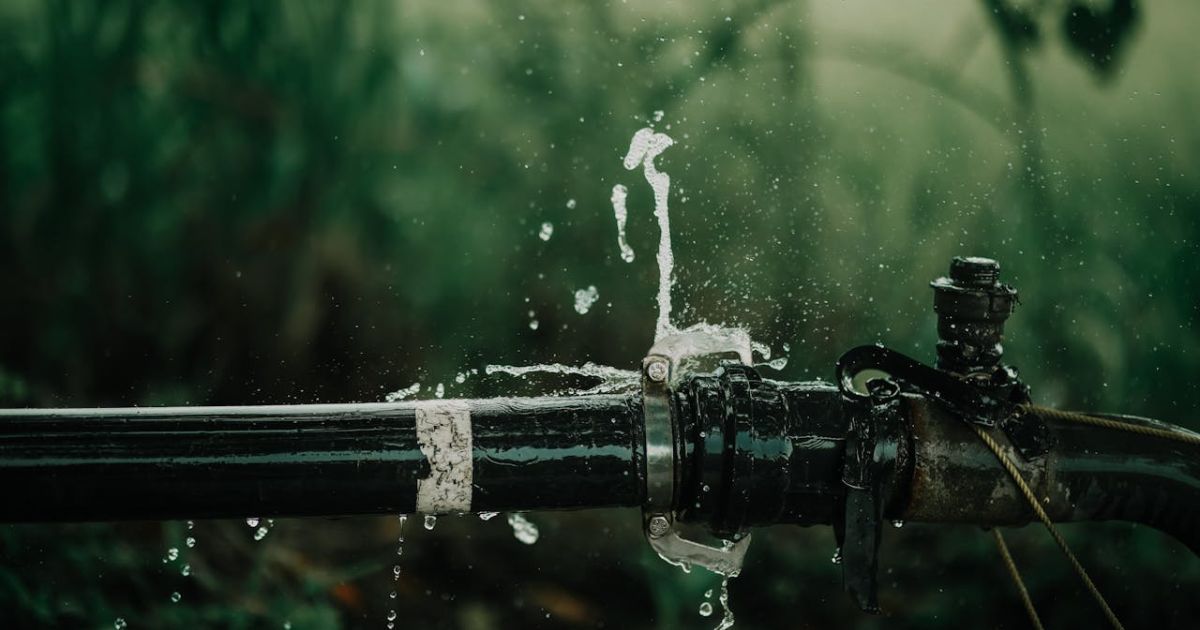
Water damage isn’t something you ever really expect until it happens. As a single mum, I don’t have the luxury of waiting around when things go wrong at home. I remember the panic when a pipe burst under the kitchen sink while the kids were halfway through their homework. Within minutes, the water was seeping into the hallway, and I was frantically trying to mop it up while the kids asked what was for dinner. It was chaos. I didn’t realise how quickly water can cause serious damage—warped floors, musty smells, and the dreaded mould that just won't quit. That’s why acting fast matters. Honestly, having a reliable water damage restoration company near me took such a weight off my shoulders. They knew exactly what to do, and I could finally breathe.
When you're managing a household solo, help like that is a lifeline because some messes are just too big to clean up on your own.
The Rapid Progression of Water Damage
Water damage follows a predictable and destructive timeline. Within minutes of exposure, water begins to spread across floors, seeping into carpets, walls, and furniture. Porous materials like drywall and wood absorb moisture quickly, leading to swelling, warping, and deterioration. Paint may start to bubble, and finishes on furniture can begin to discolour.
Within hours, the damage deepens. Wooden structures may begin to swell and split, metal surfaces can tarnish, and electrical systems may be compromised. Odours start to develop as bacteria and mould spores find a hospitable environment in the damp conditions.
Mould growth becomes a serious concern by the 24 to 48-hour mark. Mould can colonise wet surfaces in as little as one day, especially in warm, humid environments. Once mould takes hold, it spreads rapidly and introduces health risks, particularly for individuals with allergies, asthma, or weakened immune systems.
After a week, the damage becomes severe. Structural elements may be compromised, insulation becomes saturated and ineffective, and mould infestations can become widespread. At this stage, restoration becomes more complex, costly, and time-consuming.
Health and Safety Risks
Water damage is not just a structural issue—it’s a health hazard. Standing water and damp materials create the perfect breeding ground for mould, bacteria, and other pathogens. Mould spores can become airborne and cause respiratory issues, skin irritation, and other health problems. In cases involving contaminated water, such as sewage backups or floodwaters, the risks are even greater. These situations introduce harmful microorganisms that can lead to serious illness if not properly addressed.
Electrical hazards are another critical concern. Water can infiltrate wiring, outlets, and appliances, increasing the risk of electrical shock or fire. Quick action to shut off power and begin drying can prevent these dangers from escalating.

Financial Implications of Delayed Response
The cost of water damage restoration increases significantly with time. Immediate action can often limit the damage to surface-level materials, allowing for drying and cleaning rather than full replacement. Delays, however, often result in the need to remove and replace drywall, flooring, cabinetry, and insulation. Mould remediation adds another layer of expense, as does the potential for structural repairs if the integrity of the building is compromised.
Insurance coverage may also be affected by the timeliness of your response. Many policies require prompt reporting and mitigation efforts. Failure to act quickly can result in denied claims or reduced payouts, leaving homeowners to shoulder the financial burden themselves.
The Role of Professional Restoration Services
Professional water damage restoration companies are equipped to respond rapidly and effectively. Their teams are trained to assess the extent of the damage, identify hidden moisture, and implement a comprehensive drying and decontamination plan. Industrial-grade equipment such as air movers, dehumidifiers, and moisture meters can dry out affected areas much faster and more thoroughly than DIY methods.
These professionals also understand the importance of documentation. They provide detailed reports and photographic evidence that support insurance claims and ensure transparency throughout the restoration process. Their expertise not only accelerates recovery but also provides peace of mind during a stressful time.
Preventing Secondary Damage
One of the most compelling reasons for quick action is the prevention of secondary damage. Secondary damage refers to the additional harm that occurs after the initial water intrusion, such as mould growth, structural weakening, and corrosion. These issues often develop silently and may not become apparent until weeks or months later, at which point remediation becomes far more invasive and expensive.
By acting quickly, you can halt the progression of damage and preserve the integrity of your home or business. Early intervention reduces the scope of repairs, shortens recovery time, and helps maintain property value.
Conclusion: Why Quick Action Is Critical in Water Damage Restoration
If there’s one thing I’ve learned from dealing with water damage, it’s that you can’t afford to wait. The longer you leave it, the worse it gets—trust me, I’ve been there. Quick action isn’t just about saving your floors or avoiding a musty smell down the track. It’s about protecting your home, your health, and your sanity. Things like mould, warped walls, and insurance headaches creep in fast if you don’t jump on the problem early. Whether it’s a sneaky leak or a full-on flood, getting onto it straight away can make all the difference. I know it’s hard when you’ve got a million other things going on (hello, parenting solo), but if water damage ever hits, don’t wait—just deal with it. Future you will be grateful.