


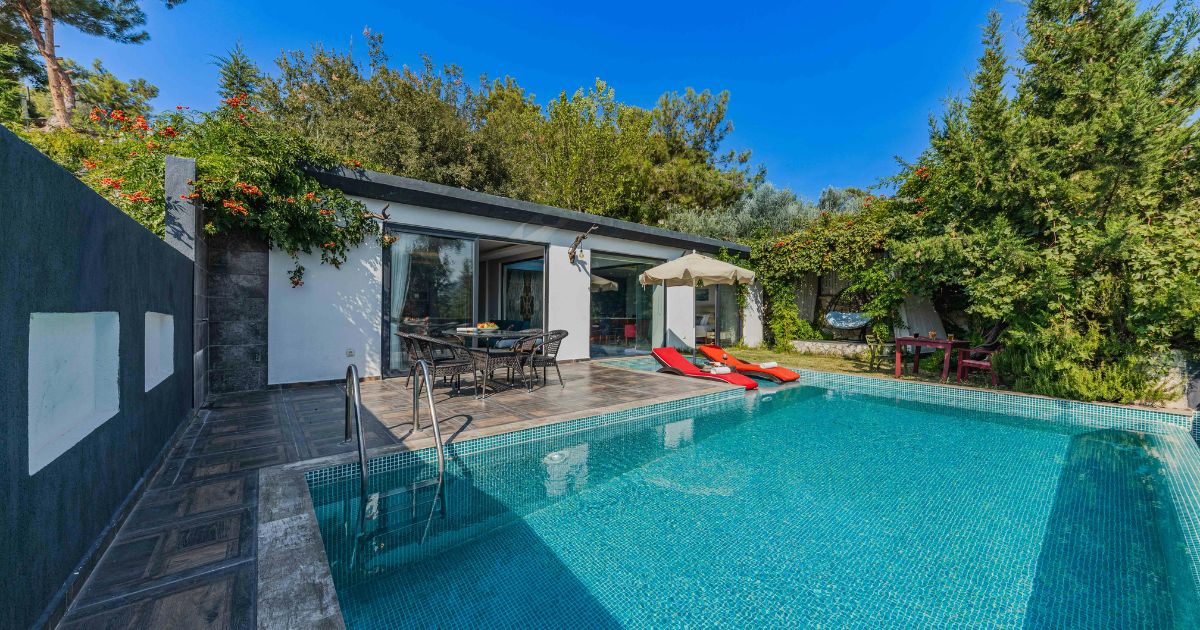
Although summer is in the rearview and winter is fast approaching, pool safety should remain at the forefront of parents’ minds. The winter months still present a surprising amount of water safety risk, especially for families with backyard pools where play areas sit close to the water. Kids don’t necessarily see the pool as off-limits just because it’s winter, and without the usual supervision that comes with swim season, hazards can be easier to overlook.
In this article, we’ll cover how to ensure your design aligns with laws around compliant pool fencing, our top design tips for child-safe pool maintenance, and what you can do to prepare for and prevent emergencies. Read on to learn more.
Do: Familiarise Yourself With Compliant Pool Fencing Requirements.
Australia’s pool fence laws are designed to keep families safe. At times when you’re upgrading your current pool design or installing a pool for the first time, follow the Australian pool safety barrier standards closely to minimise the risks associated with keeping a backyard pool.
Not just any style of fence will do, either. Pool fencing must be at least 1.2 metres tall, with no more than a 10-centimetre gap between the ground and the bottom of the fence. If you choose slat fencing over glass pool fencing, note that vertical gaps between slats must be smaller than 10 centimetres wide to prevent children from slipping through, while horizontal slats must be spaced at least 90 centimetres apart to prevent climbing.
Don’t: Leave Plant Pots, Furniture or Other Climbable Objects Around Your Fence.

Another must for ensuring your pool fencing remains compliant with Australian law is to keep the area around the fence clear of climbable objects. A 90-centimetre radius around the fence – called the Non-Climbable Zone – must be kept completely clear at all times. Design your pool area so that any objects that kids may be able to use to climb up and over the fence, like potted plants, chairs, barbecues, trees, and toys, are placed safely.
If you often host outdoor gatherings or employ landscapers for the yard, these climbable objects may move from their ideal positions and into the danger zone. Try to regularly sweep the surrounding area of your yard to ensure nothing has inched closer to the pool barrier.
Do: Consider Upping Your Gate Access and Control Game.
Gates and access points are another crucial aspect of child-safe pool design. Your gates must open outwards (away from the pool) and be both self-closing and self-latching. These latches must be at least 150 centimetres above the ground, safely out of a child’s reach. But good security doesn’t stop here.
Adding an app-connected security camera or motion sensor alarm can add an extra layer of safety and give you greater peace of mind, alerting you if any child tries to sneak into the pool area to swim or play unattended. Likewise, ensuring your home’s doors and windows are equipped with childproof locks can stop a child from leaving the home and venturing too close to the pool area without supervision.
Don’t: Slack on Keeping Your Pool Water Crystal Clear.
Clean, clear pool water is essential for child safety. The clearer the water, the better your visibility, and the less likely swimmers are to become sick from algae or bacteria. Part of maintaining a clean pool comes down to effort, whether that’s hiring a professional or tackling maintenance yourself. But a well-designed pool can lighten your load.
Simple pool shapes, like rectangles and ovals, are easier to keep clean, as they have fewer curves, corners and crevices where dirt, algae and bacteria can grow and accumulate. Smooth pool interiors, like fibreglass or vinyl liners, make cleaning a breeze, as they require less scrubbing.

Designing your pool with strategic circulation points is also key to pool water clarity – stagnation is a major contributor to algae growth. Finally, automatic filtration and chemical dosing systems can greatly reduce your maintenance costs and time, while also enhancing child safety.
Do: Prepare for Emergencies Before They Happen.
No one wants to imagine their child in the worst-case scenario, but realistically, planning for emergencies is the best way to prevent them. Australian safety laws require that CPR and resuscitation signs be displayed in the pool area and be legible from three metres away. Equipment like safety rings should be easily accessible as well. Talking with your child about safety is another great line of defence.
Your pool area design should also include lockable sheds or boxes for storing toys when not in use. Toys in the pool area are risky for two reasons. First, they can tempt children to enter the area when unsupervised. Second, they can create visual distractions and reduce clarity in the area. Thinking ahead in your design process, even about seemingly small things like storage, can make a big difference.
Don’t: Forget to Conduct Routine Inspections.
It’s important to avoid becoming complacent. Conducting routine inspections to ensure your pool design remains compliant may seem like no big deal, but it’s actually essential for child safety. Seasonal reviews of Australian pool safety laws and routine strolls through the area with a measuring tape can be the difference between a safe summer and a preventable emergency.
Key Takeaways
A child-safe pool design isn’t just about following the law. It’s about preserving your family’s well-being and peace of mind. Here’s what you need to remember:
- Familiarise yourself with compliant pool fencing requirements around height, slat separation and gaps to ensure your pool barrier is as safe as it can be.
- Create a non-climbable zone around your pool by removing items like plant pots, furniture or barbecues from around your fence.
- Up your gate access and control game by following relevant laws and adding extra layers of security like app-connected motion sensors.
- Design with water clarity in mind, preventing low-visibility and algae-related sicknesses.
- Prepare for emergencies before they happen by displaying safety signs and designing with crucial storage in mind.
- Conduct routine inspections to ensure your design remains compliant throughout the seasons.