


There are plenty of household problems parents expect to deal with: fingerprints on clean windows, toys underfoot and a washing basket that never seems to stay empty.
Mosquitoes, ants, cockroaches and other pests are far less welcome.
For families in warmer parts of Australia, especially tropical areas such as Far North Queensland, pests can become more than an occasional annoyance. Children spend time on floors, in backyards and in places adults may barely notice, so prevention is worth building into everyday household routines.
For single mums, that does not need to mean adding another big job to an already full list. A few simple habits can make a real difference without turning pest prevention into a weekend project.
If you already have a persistent problem that is not responding to normal prevention, speaking with a provider of professional pest control in Cairns can also help identify where pests are coming from and what may be attracting them to the property.
1. Start With Standing Water
Mosquitoes need water to breed, and it does not take much.
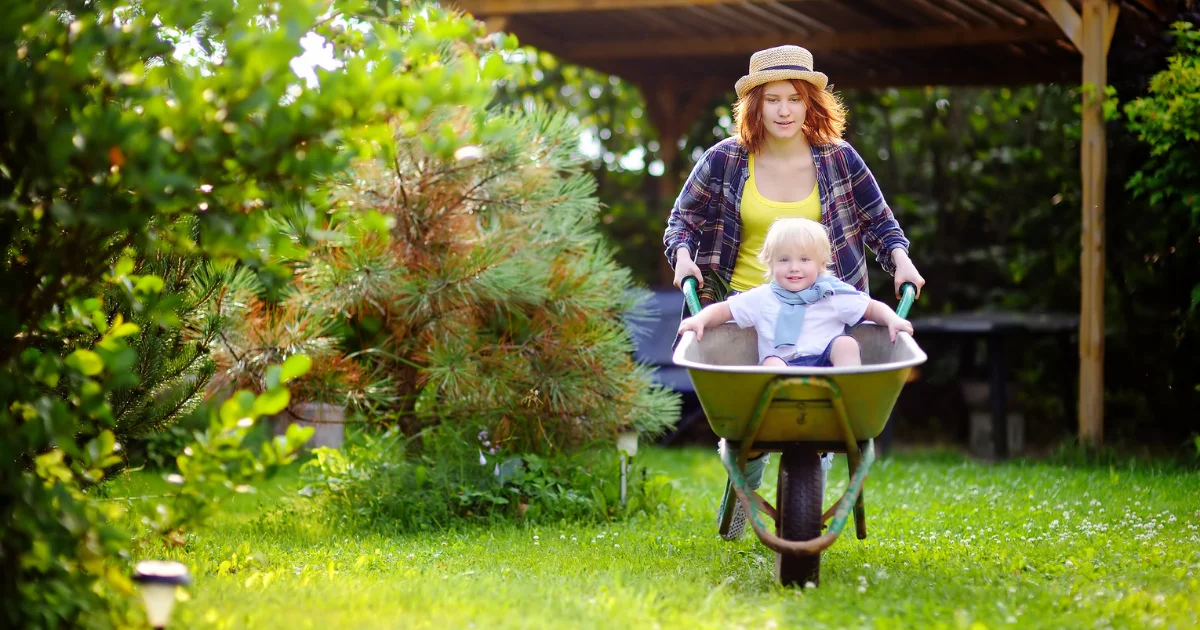
Rainwater can collect in children's buckets, outdoor toys, plant saucers, wheelbarrows, paddling pools, blocked gutters and unused containers.
After rain, take a quick walk around the backyard and tip out water from anything that does not need to be holding it.
Queensland Health recommends removing pools of standing water around homes where practical because they can provide mosquito breeding opportunities.
Children's toys are worth checking carefully. A bucket or plastic truck left outside can fill with rainwater and sit unnoticed for days.
2. Check Window and Door Screens
Fly screens are easy to ignore until you notice a tear.
Check screens around bedrooms and frequently opened doors from time to time. Even small gaps can allow mosquitoes inside.
The Raising Children Network recommends insect screens on windows and doors as one way to help prevent mosquito bites in children.
If your children are constantly running in and out of the backyard, a self-closing screen door can also be helpful.
3. Keep Food and Drinks Under Control
Anyone with children knows food rarely stays where it was meant to.
Crumbs under the dining table, an unfinished drink beside the couch or food beneath a highchair can attract ants, cockroaches and other pests.

You do not need to clean obsessively. Focus on a few basic habits:
- wipe eating areas after meals
- vacuum under the dining table
- rinse sticky drink bottles
- store food in sealed containers
- avoid leaving pet food out unnecessarily
- empty rubbish regularly.
Keeping most meals and snacks in the kitchen or dining area can also reduce forgotten plates and wrappers around the house.
4. Check Hidden Kitchen Areas
Most people clean the kitchen surfaces they can see, but crumbs and grease can build up under refrigerators, ovens, dishwashers and cabinets.
You do not need to move every appliance each week. An occasional clean underneath movable appliances can remove food sources that may attract pests.
Check the pantry too. Spilled cereal, rice, flour and other dry foods should be cleaned up rather than left behind packets.
5. Protect Kids From Mosquito Bites Outdoors
Appropriate clothing can help reduce exposed skin when mosquitoes are active.
The Raising Children Network recommends measures such as light-coloured clothing, long sleeves and pants, insect screens and suitable insect repellent.

For young children, adults should apply repellent rather than allowing children to spray it themselves. Always follow the product label.
Queensland Health also advises carers to apply repellent to their own hands first before applying it to a young child's exposed skin.
If you are unsure whether a product is appropriate for your child's age, check the label or ask a pharmacist or healthcare professional.
6. Remember the Family Pet
Dogs and cats may encounter fleas, ticks and other parasites outdoors.
Keep pets on an appropriate veterinarian-recommended parasite prevention program and wash pet bedding regularly.
If fleas are confirmed, remember they may also be present in carpets, bedding and other places where your pet spends time.
7. Reduce Pest-Friendly Areas Around the House
You do not need to remove your garden to discourage pests.
However, very dense vegetation immediately against the house can make inspection and maintenance harder. Trim plants covering windows or exterior walls and remove piles of dead leaves and garden debris from beside the building.
Water also matters. Check beneath sinks, around laundry plumbing and near outdoor taps for leaks or damp areas.
Fixing leaks early is good household maintenance and removes another condition some pests may take advantage of.
8. Be Careful With DIY Pest Products
Homes with young children need to be especially careful about how pest-control products are stored and used.
Keep pesticides and household chemicals completely out of children's reach and follow label directions carefully.
Do not assume using more will make a product work better.
Products described as natural should also be handled responsibly. Natural does not automatically mean harmless, especially around young children and pets.
9. Pay Attention to Repeated Pest Sightings
One cockroach does not necessarily mean you have an infestation, but repeated sightings deserve attention.
The same applies to ants continually appearing in one area, regular flea bites or mosquitoes getting inside despite intact screens.
Look for patterns. Are pests appearing near food, water or a particular entry point?

Sometimes the solution is as simple as repairing a screen, cleaning up a hidden food source or fixing a leak. Persistent activity may require further investigation.
10. Know When a Bite Needs Medical Attention
Most insect bites in children are uncomfortable rather than serious.
The Raising Children Network provides guidance on insect bites and stings, including when parents should seek medical attention.
Contact your doctor if your child develops concerning symptoms such as significant swelling, signs of infection or feeling unwell after a bite.
If a child develops signs of a severe allergic reaction, including difficulty breathing or swelling of the tongue or throat, seek emergency medical assistance immediately.
11. Make Prevention Part of Your Routine
Parents already have enough to do, and for single mums especially, pest prevention should be simple.
Build it into normal household routines: empty standing water after rain, store food properly, clean significant spills, maintain fly screens, wash pet bedding, empty rubbish and fix leaking taps.
The aim is not to keep a perfectly spotless home. Children will make mess, pets will bring dirt inside and toys will end up scattered around the backyard.
The goal is simply to stay on top of the things that matter.
Removing easy sources of food, water and shelter can make your home much less inviting to mosquitoes, ants, cockroaches and other unwanted visitors — leaving the inside of the house for the chaos you actually signed up for.