


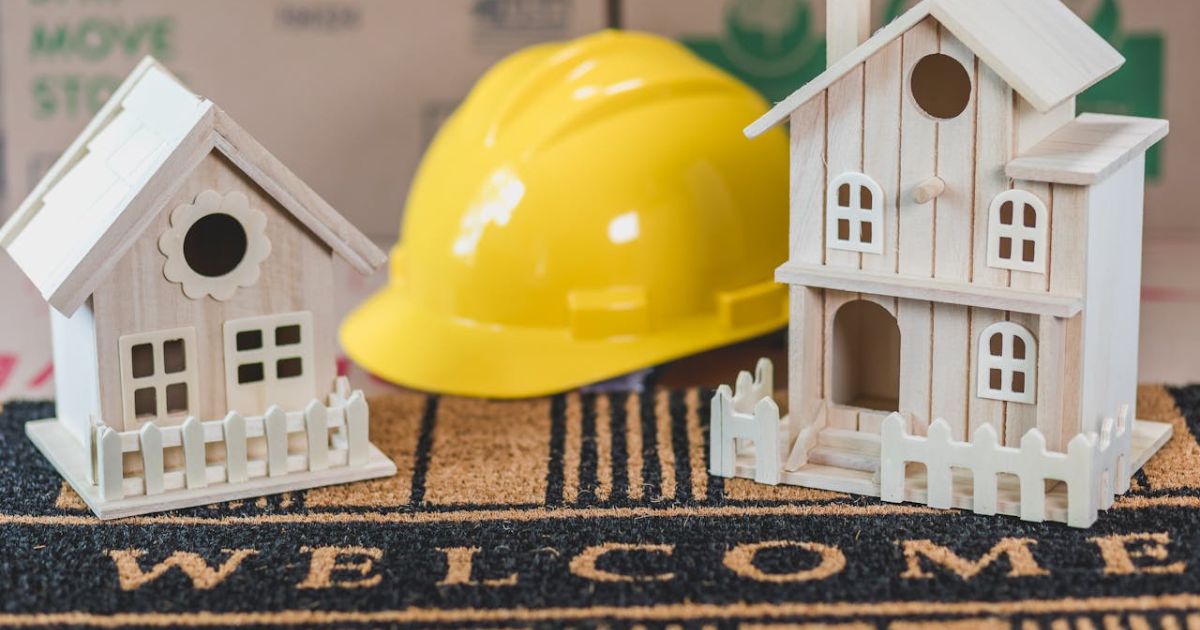
Launching a home is one of the biggest and most emotional steps you’ll ever take, especially when you’re doing it solo. As a single mum, I remember sitting at my kitchen table after the kids were asleep, juggling budgets, Pinterest boards, and way too many tabs open for builders. It’s exciting, yes, but also a little terrifying. You’re not just building walls and a roof, you’re building a future for your family. That’s why choosing the right home builder is so much more than comparing prices or brochures. It’s about trust.
You want someone who listens, respects your needs, and shows up when they say they will. In this article, we’ll explore the key things to look for when picking a builder, so you can move forward with confidence, not second-guess. Because at the end of the day, your home’s foundation starts with the people who help build it.
Research and Reputation
Doing your homework is the first real step toward finding home renovation builders you can actually rely on—and work with without losing sleep. Start by sussing out their reputation. What are other people saying? Real stories from past clients, online reviews, and even a good old-fashioned Google search can give you a pretty clear picture of what they’re like to deal with. Are they easy to communicate with? Do they stick to timelines? Do they fix problems or just pass the buck?
Awards and industry certifications are more than a nice bonus; they’re a hallmark of award winning home builders who demonstrate consistent quality, craftsmanship, and integrity in every project. But honestly, word-of-mouth and lived experience speak volumes. Suppose you can chat to someone who’s worked with them before, even better. At the end of the day, you want someone who’ll treat your home like it’s their own.
Experience and Expertise
A builder's skill and experience in the field are the main points for you to consider. A seasoned builder like Keir Constructions is most likely to have faced various problems that have come up on previous projects; hence, they are better prepared to handle any issues that may arise. The number of years the builder has been in business, and the kinds of homes they have made, whether a family residence or a newly built investment property, are certain things that one should inquire about. It is also beneficial to inquire about their specialisations, as some Perth's best home builders excel in specific architectural styles or construction methods.
Financial Stability

Money stuff isn’t the most exciting part of choosing a builder, but it’s honestly one of the most important, and one that people often overlook. A builder with solid financial footing is much more likely to finish the job on time and do it properly, without cutting corners because they’ve run out of cash. It’s totally okay to ask about their business history. Have they had any financial hiccups like bankruptcies or legal dramas? Don’t be shy—it’s your future home on the line. It’s also worth checking if they’re insured and bonded. That might sound a bit technical, but basically, it means you’re covered if something goes pear-shaped. You want peace of mind knowing your builder won’t disappear mid-project or leave you stuck with unexpected costs. Asking a few awkward questions now can save a whole lot of stress (and money) later on.
Communication and Transparency
Effective communication is the key to any successful partnership. An honest builder should be prepared to give answers to questions, give regular reports, and stick to lines of communication, all of which could be established during the building process. Price transparency, timelines, and possible difficulties are the most important parts of the building process. You should have no problem whatsoever with sharing your thoughts and issues with the builder, as this will make the construction process a lot easier and the result more satisfying.
Quality of Work and Materials
First, a builder's demonstration of his aptitude is quite important. The future homeowners are supposed to request pictures of a set of sample homes that were the builder's completed projects, and consequently, talk to previous clients if it is possible. Touring model homes or looking at a strip of houses under construction can let you appreciate one's eye for detail and involvement in the project. It is furthermore of great concern to find out about the materials involved in production and also to study the builder's quality control guidelines to make sure the finished home lives up to high standards.
Customisation and Flexibility
Every individual is not the same. Each one's preferences and necessities are different. Thus, a good builder must agree to the demand of customisation within limits. While some builders provide premade plans, they should be open to the idea of parameter alterations to meet the particular needs of an individual. The capacity to find the homeowner's preferences and include personalised features in their work is a key characteristic of a builder.
Many homeowners planning upgrades, such as home extensions, also prioritise finding builders with a strong reputation for reliability and transparent communication.
Similarly, customisation isn’t limited to homes alone. Outdoor structures like sheds also benefit from tailored designs, whether for storage, workshops, or agricultural use. Looking at providers such as reliable shed builders in Toowoomba highlights how flexibility and practical design help bring practical, tailored ideas to life.

Warranties and After-Sales Service
A responsible builder backs his work. Asking about written warranties and samples of after-sales service is mandatory. A whole structure warranty that covers all the structural parts, the systems, as well as the craftsmanship, can be a great relief to the homeowner. Furthermore, the fact that the builder is open to solving the problems, which may result in the execution of his project, speaks much about his commitment to customer satisfaction.
Legal Compliance and Permits
Making it clear to the builder that they need to have complied with all legal requirements is our first action. The builder shall ensure that they are licensed, registered, and that all the local building codes and regulations are obeyed. Moreover, he will manage all the required permits and inspections and hence will inform the homeowner about every part of the process.
Conclusion: How To Choose A Home Builder You Can Trust
Choosing the right home builder is one of those big life decisions you really want to get right. When I started the process as a single mum, I was overwhelmed. There’s a lot to think about: Can I trust them? Do they actually listen? Will they go MIA halfway through the build? It’s not just about glossy brochures or slick websites. You want a builder who’s honest, experienced, financially stable, easy to talk to, and actually delivers what they promise. Good communication, quality work, fair warranties, and sticking to the law should be the bare minimum. Flexibility is also a huge bonus, especially when life throws you curveballs mid-project. A dream home doesn’t just magically appear; it’s built by people who care about doing the job right. So, take your time, ask the hard questions, and don’t settle for anyone who gives you that gut feeling to run.