

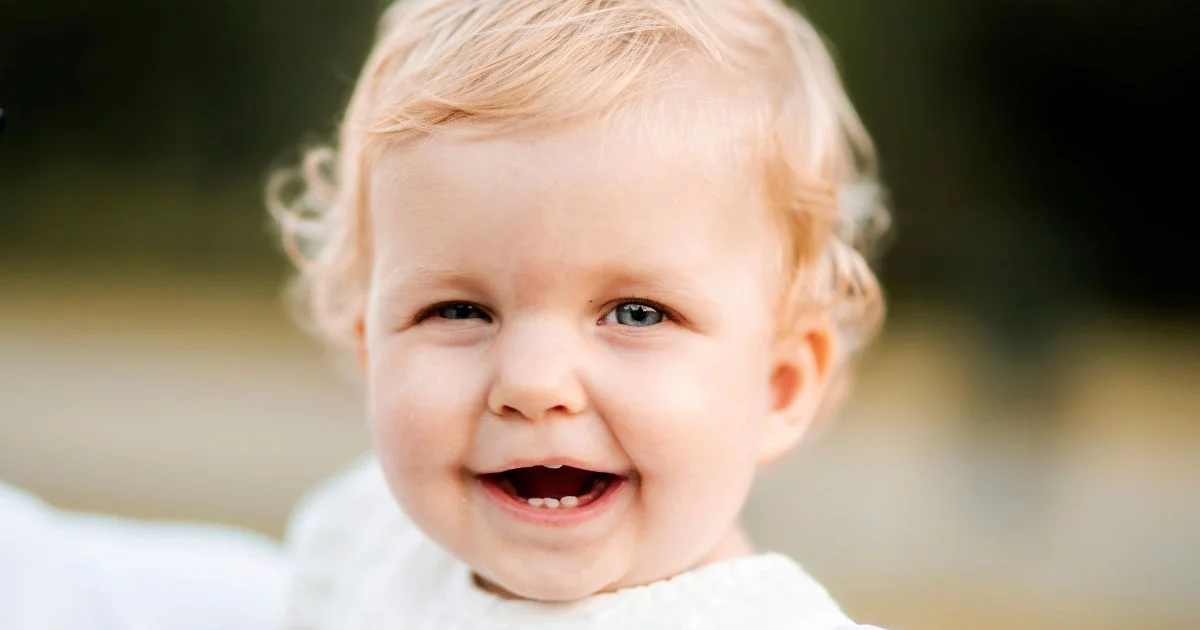
There is a particular kind of tired that only arrives with a teething baby. The days are long, the nights are longer, and when you are doing it on your own, the exhaustion has nowhere to hand off to. If you are pacing the hallway at 3 am with a red-cheeked, dribbling little one who will not settle, you are not doing anything wrong. Teething is genuinely uncomfortable for babies, and it is genuinely draining for the mum getting them through it.
Here is what is actually happening, what helps, and how to look after yourself while you look after them.
What teething really looks like
Most babies start teething somewhere around the six-month mark, though plenty begin earlier and some take their time well past the first birthday. The first teeth to push through are usually the two at the bottom front, followed by the top front pair.
The signs are hard to miss once you know them. Lots of drooling, a strong urge to chew on anything within reach, flushed cheeks, gum rubbing, general grizzliness, and disrupted sleep. Some babies go off their food for a day or two because their gums are sore.
It is worth knowing what teething does not usually cause. A high fever, vomiting, or diarrhoea are not standard teething symptoms, and health authorities are clear on this point. If your baby has any of those, it is more likely a separate bug or infection, and it is worth a call to your GP or health line rather than writing it off as "just teeth".
Safe ways to soothe sore gums

The good news is that the most effective comfort measures are also the simplest.
Counter-pressure works. Sore gums feel better with something firm and cool to bite on. A clean, chilled (not frozen) teething ring is ideal. Frozen rings get too hard and can bruise tender gums, so pop them in the fridge rather than the freezer. A clean, damp washcloth that has been chilled works just as well and is easy to hold.
Your clean finger is a tool. A gentle rub along the gum with a washed finger gives real relief, and for a lot of babies, the closeness settles them as much as the pressure does.
Cool food for older bubs. If your baby has started solids, cold options like a little chilled yoghurt or purée can soothe from the inside. Always supervise, and skip anything that is a choking risk.
Catch the dribble. All that drooling can irritate the skin around the mouth and chin. Wiping gently and using a barrier balm keep a teething rash from adding to the misery.
For a practical rundown of gentle, dentist-recommended techniques, this guide to soothing a teething baby is worth bookmarking.
What to skip
A few popular "remedies" are best left alone.
Amber teething necklaces are heavily discouraged by consumer safety and child health bodies because of the very real risk of choking and strangulation, and there is no good evidence that they do anything. The same caution applies to anything tied around a baby's neck or wrist.
Be careful with teething gels, too. Some are not recommended for infants, and a few contain ingredients you would not want to use repeatedly. Have a quick chat with your pharmacist before reaching for one, and if you are ever unsure about pain relief, ask your GP or child health nurse rather than guessing.
Surviving the nights when it is just you

The teething advice is the easy part. The harder part is functioning on fractured sleep with no one to tap in for the next shift. A few things genuinely help.
Lower the bar, deliberately. For the stretch, you are in the thick of it, the house can be messy, and dinner can be simple. Protecting your energy is the actual priority, not a tidy kitchen.
Sleep when you can grab it, not when you "should". The old line about sleeping when the baby sleeps is annoying precisely because it is true. A twenty-minute lie-down in the afternoon will not fix everything, but it takes the sharpest edge off.
Prep for the night before you are wrecked. A bottle of water by the bed, the chilled washcloth ready in the fridge, a dim lamp instead of the big light. Small bits of setup make the 3 am wake-up fractionally less brutal.
Let people in. If a friend or family member offers to hold the baby so you can shower or nap, say yes without the guilt. Accepting help is not failing. If you have access to a local mums group or an online community, lean on it. Even at 2 am, knowing someone else is awake and in the same boat matters more than it sounds like it should.
Watch your own tank. Broken sleep on top of solo parenting is a lot. If you notice yourself feeling flat, hopeless, or unable to cope in a way that is not lifting, please talk to your GP or a support line. Looking after your own mental health is part of looking after your baby, not separate from it.
When to get it checked
Ring your GP if your baby has a fever, seems unwell beyond ordinary teething fuss, is not feeding or wetting nappies as usual, or if you are simply worried and want reassurance. Trusting that instinct is never an overreaction.
Once those first little teeth arrive, they need looking after too. Wipe them with a soft cloth or a small soft brush, and it is worth booking a first dental visit within the recommended window so someone can keep an eye on how things are coming through.
The teething stage feels endless while you are in it, and then one day the tooth is through, the cheeks are less red, and you both get a proper night's sleep again. You will get there. Be as gentle with yourself as you are with your baby.