


Older homes have a lot of character. In Bondi, that might mean original cottages, older apartment blocks, renovated terraces, Art Deco buildings or beachside homes that have been updated bit by bit over the years. These properties can be beautiful, but they can also hide electrical issues that are not obvious until something goes wrong.
The problem is that many older homes were not built for the way we use electricity today. Modern households rely on air conditioning, dishwashers, induction cooking, home offices, large TVs, Wi-Fi systems, phone chargers, security cameras and plenty of everyday appliances. If the electrical system has not been upgraded properly, it may be under more pressure than it was ever designed to handle.
Professional electrical services in Bondi can help identify these hidden hazards before they become dangerous or expensive. If you live in an older Bondi home, here are some of the warning signs and risks worth knowing about.
Old Wiring Behind the Walls
One of the biggest risks in older homes is ageing wiring. Because wiring is hidden inside walls, ceilings and floors, it can be easy to forget about. The lights still turn on, the power points still work, and everything may seem fine from the outside.
But older wiring can become brittle, damaged or unsuitable for modern electrical loads. Renovations over the years may also leave a mix of old and new wiring throughout the home. This can make faults harder to detect without a proper inspection.
Warning signs may include flickering lights, buzzing switches, frequently tripping circuits, discoloured power points or a burning smell. If your home has not had its wiring checked in a long time, it is worth arranging an electrical inspection.
Outdated Switchboards
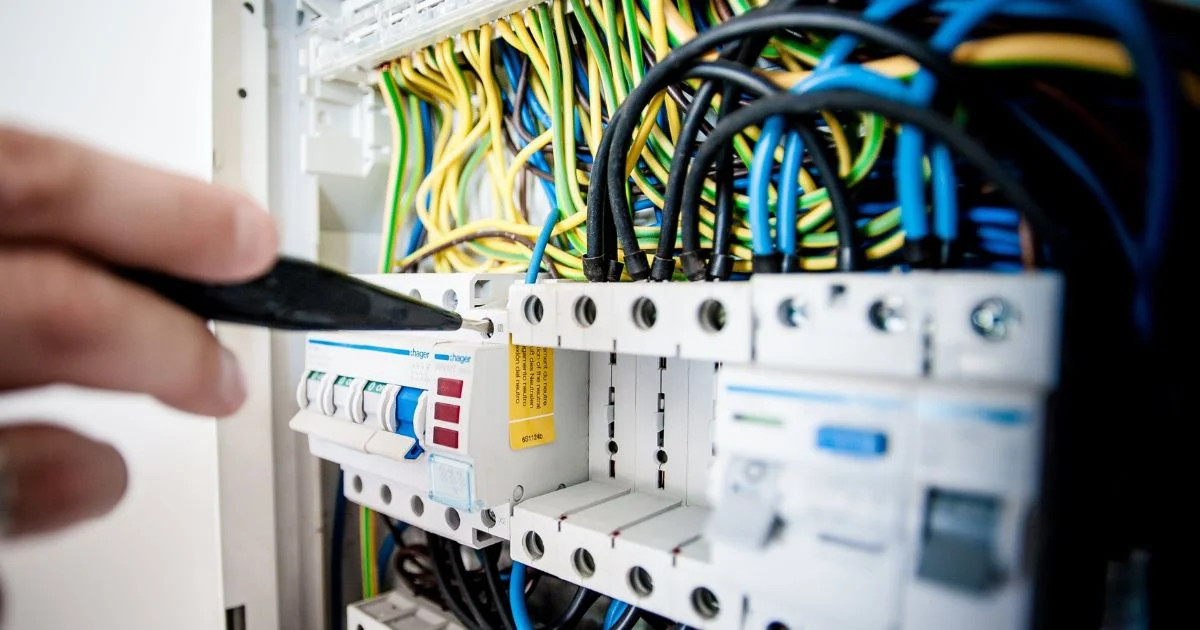
Your switchboard keeps your home's electrical system running safely, but many older Bondi homes still have outdated setups. Old ceramic fuses, overloaded circuits and missing safety switches may struggle to cope with today's power demands. If your home has frequent power trips or you're planning renovations, a switchboard upgrade can improve safety, support modern appliances and help prevent future electrical problems.

Not Enough Power Points
Older homes often have fewer power points than modern households need. This leads to power boards, extension leads, and double adaptors being used as permanent solutions.
While power boards are useful for temporary use, relying on them everyday can create problems. Overloaded outlets can heat up, especially when high-demand appliances are connected. Extension leads running under rugs, behind furniture or across walkways can also become damaged or unsafe.
If you constantly need power boards in bedrooms, living areas, kitchens or home offices, it may be time to add properly installed power points. This is a simple upgrade that can make the home safer and more practical.
DIY Electrical Work from Previous Owners
Older homes often pass through multiple owners, renovations and DIY repairs, and not all electrical work is completed to a safe standard. Faulty wiring, poorly installed fittings, or hidden shortcuts can remain unnoticed for years until something goes wrong. If you've spotted exposed cables, unusual power points, switches that don't seem to do anything or other odd electrical features, it's worth booking a professional inspection. Catching these issues early can help prevent costly repairs and keep your home safe.
Salt Air and Coastal Conditions
Living near the beach has its perks, but Bondi's salty air can speed up wear and tear on outdoor electrical fittings. Power points, lights, switchboards and other exposed components are more prone to corrosion, which can lead to poor performance or safety issues over time. If you live close to the coast, it's a good idea to have outdoor electrical equipment inspected regularly to catch any damage before it becomes a bigger problem.
Flickering Lights

Flickering lights are easy to dismiss, especially if they only happen occasionally. Sometimes the cause is simple, such as a loose bulb or old fitting. But regular flickering can point to loose connections, overloaded circuits, ageing wiring or switchboard issues.
If lights dim when appliances turn on, or if several rooms flicker at the same time, the problem may be more than a faulty bulb. It is worth calling an electrician to test the circuit and find the cause.
Ignoring flickering lights can allow a small fault to worsen over time.
Warm or Discoloured Power Points
Power points and switches should not feel hot during normal use. They should also not show brown marks, melted plastic, cracks or a burnt smell.
A warm or discoloured power point can indicate overheating, loose wiring or an overloaded circuit. This is a serious warning sign, especially in older homes where wiring may already be under strain.
If you notice heat, buzzing, crackling or burn marks, stop using the outlet and arrange an inspection. Do not cover the issue with furniture or keep using the power point because it still works.
Missing or Faulty Safety Switches
Safety switches are designed to help protect people from electric shock by cutting power quickly when a fault is detected. Many homeowners assume their property is protected because they have circuit breakers, but circuit breakers and safety switches do different jobs.
Older homes may not have safety switches installed on all required circuits, or the switches may not be working properly. They should be tested regularly using the test button, but many households forget to do this.
If you are unsure whether your Bondi home has proper safety switch protection, a licensed electrician can check the switchboard and recommend any upgrades needed.
How Renovations Can Create Electrical Problems
After a renovation, it's easy to focus on the new kitchen, fresh paint or updated bathroom and forget about what's happening behind the walls. But adding things like air conditioning, extra lighting, new appliances, or more power points can put extra pressure on your home's electrical system. If the wiring or switchboard hasn't been upgraded to handle the increased demand, you might notice power tripping, flickering lights or circuits overheating.
That's why it's worth having an electrician check your electrical system before or after any major renovation. They can make sure everything is safe, up to code and capable of supporting your home's new setup.
Even if you're not renovating, an electrical inspection is a smart idea if you've bought an older home, are planning to rent it out, or have noticed anything unusual like buzzing outlets or frequent power outages. A quick inspection today could help you avoid expensive repairs and keep your family safe in the long run.
Keep the Character, Upgrade the Safety
Older Bondi homes have charm, history and personality, but their electrical systems may need attention. Ageing wiring, outdated switchboards, overloaded power points, corrosion, DIY repairs and missing safety switches can all create hidden risks.
The good news is that these problems can usually be identified and fixed with the right professional help. Quality electrical services can make an older home safer, more reliable and better suited to modern living without taking away its character.
If something flickers, buzzes, trips, smells burnt or feels warm, don't ignore it. Acting early can help protect your home, your appliances and the people living in the property.