

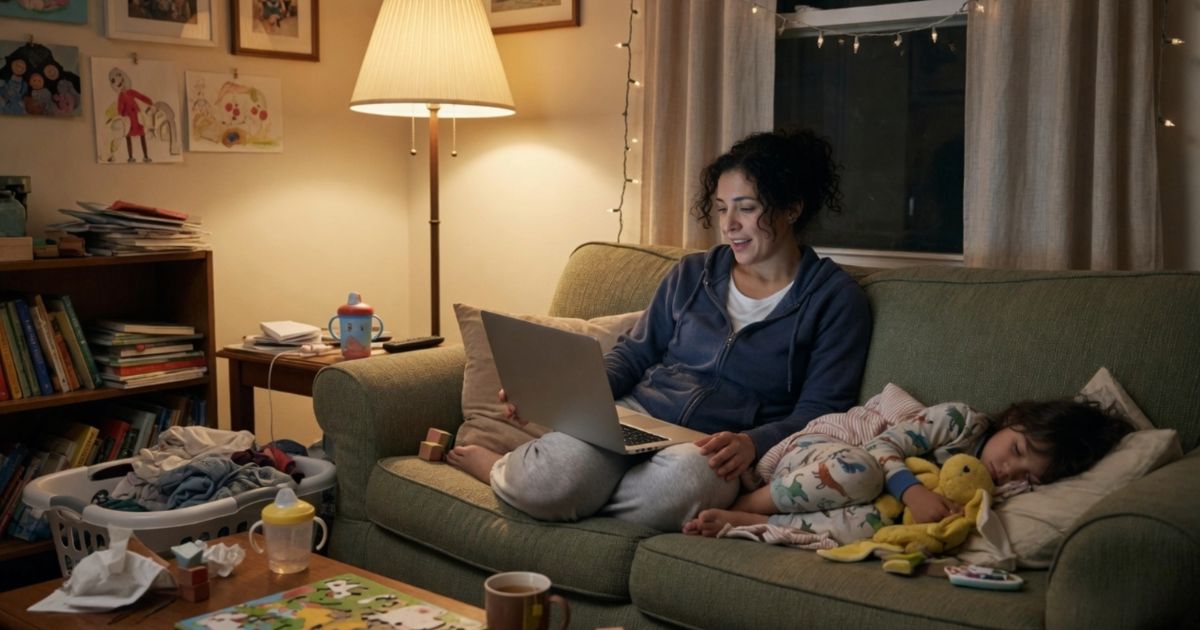
It's 8 pm on a Wednesday. Your child has a temperature, they're miserable, and you're doing the mental calculation every parent knows well: is this a wait-and-see situation, or do I need to do something about this tonight?
The clinic closed at six. The nearest after-hours GP is a 25-minute drive. You have another child already asleep, a work meeting at 8 am, and approximately zero desire to sit in an emergency waiting room for three hours if it turns out to be a virus that just needs rest and fluids.
This is exactly the situation telehealth was made for.
What telehealth actually means for families
Telehealth isn't new, but a lot of parents still think of it as a pandemic-era workaround rather than a genuinely useful part of everyday family healthcare. In reality, it's become one of the most practical tools available to busy Australian families — particularly for after-hours situations, repeat scripts, and the kind of low-grade health questions that don't warrant a trip to the clinic but still need an actual answer from an actual doctor.
At its simplest, telehealth means speaking with a GP by phone or video call from home. No travel, no waiting room, no trying to keep a sick and cranky toddler entertained under fluorescent lighting while you wait forty minutes past your appointment time.
For parents, the practical advantages stack up quickly.
When telehealth works brilliantly for families

After-hours illness that needs assessment but probably not emergency care. Fever, ear pain, a rash you're not sure about, a cough that's gotten worse — these are exactly the situations where telehealth shines. A GP can assess symptoms, advise on treatment, and if needed, send an electronic prescription directly to your nearest pharmacy, often within the hour.
Medical certificates. If your child is too sick for school and you need a medical certificate for work or their school's attendance policy, a telehealth appointment is a perfectly legitimate way to get one. No need to drag a sick child out of the house just to confirm they are, in fact, sick.
Repeat prescriptions. If your child is on ongoing medication and you need a repeat script, telehealth appointments are ideal. The same goes for your own scripts — because parents get sick too, and somehow always at the most inconvenient possible time.
Mental health support. For parents navigating the mental load of family life, or teenagers who need to speak with someone, telehealth has genuinely expanded access to psychological support. Many people find it easier to open up from the privacy of home, and removing the logistics of getting to an appointment removes a significant barrier to actually seeking help.
Follow-up appointments. After an in-person visit, many follow-ups can be handled by phone or video — checking in on how a course of antibiotics is going, reviewing test results, or touching base on a referral.
When you still need to go in person

Telehealth is useful, but it's not a replacement for everything — and it's worth being clear-eyed about that.
If your child has difficulty breathing, a febrile seizure, severe abdominal pain, a head injury, is unresponsive or unusually difficult to rouse, or you're genuinely worried something is seriously wrong — go in. Call 000 if needed. A telehealth doctor can't examine your child, and there are situations where physical assessment matters.
A good telehealth GP will clearly tell you whether what you're describing needs in-person attention. That's not a failure of the service — it's exactly what you want from it.
The honest version of telehealth is this: it's brilliant for a wide range of everyday family health situations, and it's not the right tool for genuine emergencies. Most parents develop a reasonable instinct for which category they're dealing with. Telehealth is there for everything in between.
A few things that make telehealth appointments run more smoothly

If you haven't used telehealth before, it's genuinely straightforward — but a little preparation helps, especially when you're dealing with a sick child and a tired brain.
- Have your Medicare card handy. Fees vary by provider, and whether a Medicare rebate applies will depend on your circumstances and the service you're using — worth checking when you book.
- Know your child's symptoms and when they started. Sounds obvious, but when you're flustered, and a GP asks "how long has the fever been going?" it helps to have thought about it beforehand.
- Have any relevant medications nearby. If your child is already on something, or if you've given them paracetamol in the last few hours, the GP will want to know.
- Decide on phone or video. Both work. Video can be helpful if you want to show a rash or visible symptom; phone is easier if your child is distressed and won't sit still.
- Check that the provider is legitimate. More on that below.
What to look for in a telehealth provider
Not all telehealth services are equal, and it's worth spending two minutes checking before you book — especially when it involves your children's health.
Look for services that use AHPRA-registered GPs, offer real-time consultations (not just chat or messaging), follow Australian privacy laws, and are transparent about fees and Medicare eligibility. A reputable provider will also refer you to in-person care if that's what your situation requires.
Medicly is an Australian telehealth platform offering GP consultations, after-hours access, medical certificates, e-scripts, and specialist referrals — with AHPRA-registered doctors and real-time phone and video appointments. It's a practical option worth bookmarking for those 8 pm moments before they happen.
The bottom line for busy parents
Telehealth won't replace your regular GP, and it shouldn't. But having a reliable telehealth option in your back pocket means that the next time your child spikes a temperature at dinner time, you have somewhere to turn that isn't a three-hour emergency waiting room or a frantic Google spiral.
That's a genuinely useful thing. And for parents already carrying an enormous amount, useful things are worth knowing about.