


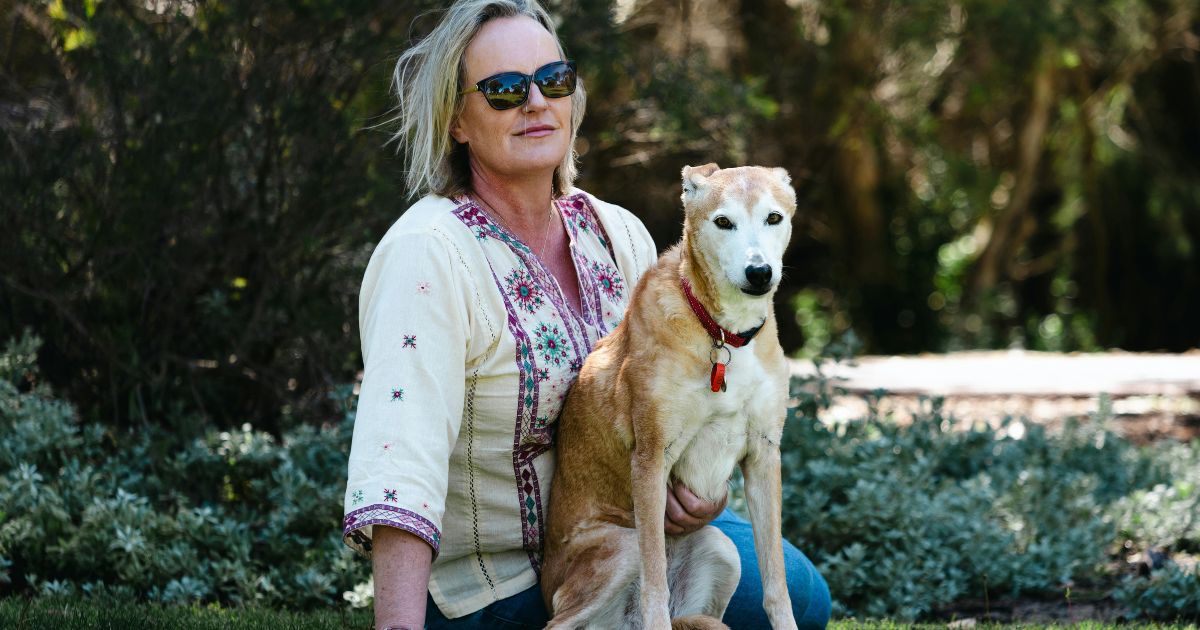
Historically, in the eyes of the Australian legal system, a beloved family golden retriever was treated no differently than a couch or a car. Ownership was determined by a cold assessment of financial contribution: who paid the breeder’s fee, and whose name was on the microchip registry?
However, as we move through 2026, the landscape has fundamentally shifted. Following the commencement of the Family Law Amendment Act 2024 in mid-2025, the law now recognises "companion animals" as a distinct category of property. This reform bridges the gap between traditional property law and the emotional reality of modern Australian families.
The New Legal Framework
The 2025 reforms moved away from the "chattel" approach. While pets are still technically classified as property (rather than children), the Court is now mandated to consider a specific set of welfare factors when deciding where a pet should live.
For the first time, the Court's focus has shifted from who paid to who cares.
Key Factors the Court Now Considers
When a dispute over a companion animal reaches the Federal Circuit and Family Court of Australia (FCFCOA), the judge will evaluate the following:
- The Primary Carer: Who performed the daily care? This includes feeding, walking, grooming, and attending veterinary appointments.
- The Attachment of Children: One of the most significant 2026 shifts is the explicit consideration of the bond between a child and the pet. If a pet acts as a vital source of emotional support for a child during the trauma of separation, the Court is highly likely to order that the pet remain with the child’s primary resident parent.
- Safety and Family Violence: The new laws formally recognise that cruelty or threats towards a pet can be a form of coercive control. A history of animal abuse is now a critical factor that can disqualify a party from retaining ownership.
- Future Capacity: The Court will look at each party’s ability to maintain the animal independently, considering factors like suitable housing, financial stability, and work schedules.
What the Court Cannot Do

A common misconception in 2026 is that the Court can order "pet custody" or shared-time arrangements similar to parenting orders. Under the current legislation, the Court’s powers are limited to making orders for sole ownership. It can order that the pet stay with one party, be transferred to another, or, in extreme cases, be sold. It cannot, however, enforce a "week-on, week-off" schedule or order shared vet bills. If you desire a shared arrangement, this must be reached via a private Consent Order or a side agreement.
Practical Steps for Pet Owners in 2026
If you are currently navigating a separation and a dispute over a pet is brewing, the surgical precision required in your evidence has changed. We recommend:
- Vet & Grooming Records: Ensure your name is listed as the primary contact and attendee on clinical histories.
- A "Pet Log": Documenting who handles the daily routine can be persuasive evidence of primary care.
- The "Safety First" Approach: If there are threats to the animal’s safety, seek legal advice from firms like Owen Hodge Lawyers immediately, as these matters are now given significantly higher priority in property proceedings.
The Final Word
As our definition of family continues to evolve, so too must our legal strategies. The recent reforms acknowledge that for many Australians, a pet is not just an asset to be divided, but a source of stability and comfort during one of life’s most challenging transitions.
By moving to a welfare-based approach, the law finally reflects the heart of the home. Whether you are negotiating a property settlement during a relationship breakdown or drafting a new Will, ensuring your companion animal’s future is handled thoughtfully is the best way to guarantee a smooth transition for every member of your family - two-legged and four-legged alike.