


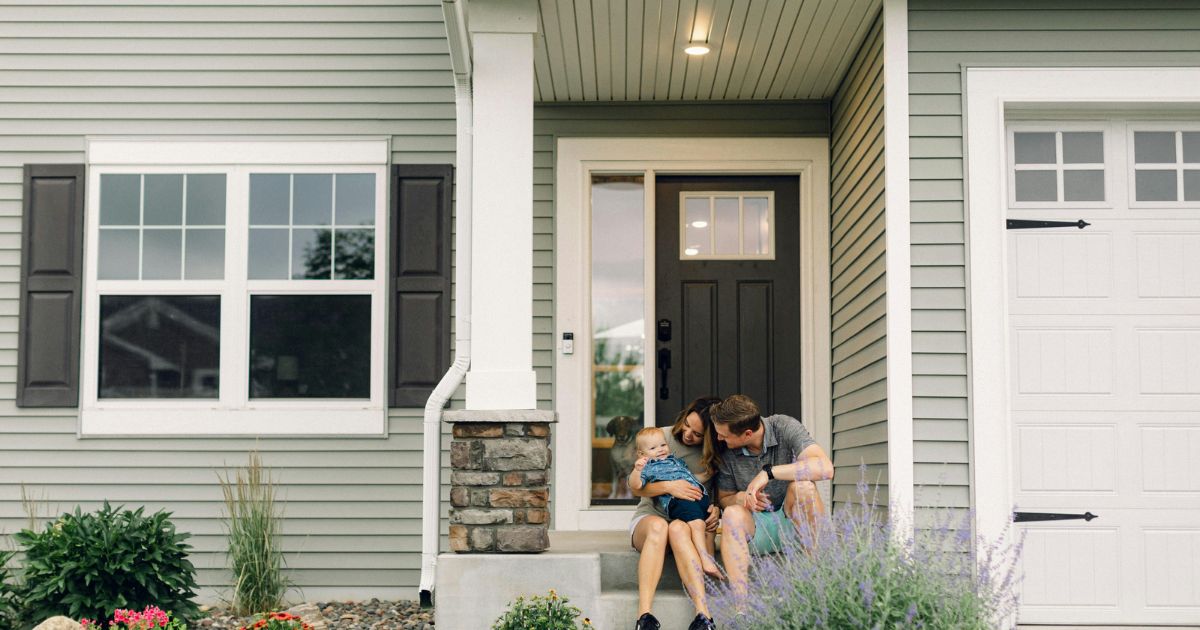
When having the luxury and opportunity to build your own home, it’s important to invest your time seriously into it, especially as it can help to create a home that’s flexible for your living situations from the moment you have your babies, as well as when they’ve flown the nest, and you’re now a retired couple living in the property.
To help build a home that sustains and sees you through family life and beyond, this guide will hopefully help you build a beautiful property and to avoid the mishaps that can impact the functionality and design of the place.
Tips for building a family friendly home
When it comes to building a family-friendly home, here are some of the useful tips that will help you build one with all of the best intentions in mind.
1. Strategic layout for solo supervision

The layout of the home is an important consideration. Ideally, you’ll want it to be open but also flexible for parent households, especially those with single-parent occupancy, so you can manage multiple tasks on your own while keeping an eye on your children.
For those, it might be parents where one works away a lot, and so an open or strategic layout for supervision can be really helpful to keep the home running smoothly. Design your kitchen to flow into the dining and living areas where possible. Again, it’s another great way to supervise the homeowner or play while you’re preparing family meals.
It’s always good to have some safe retreats where older children can have privacy without being completely isolated. These closed spaces or nooks are a great way to make the most of the space in a family home. Think windows, seats, or separate snug areas, for example.
For younger children, try to keep bedrooms close together to make nighttime awakenings easier to manage. As your kids get older, it’s good to think about future-proofing the property so the layout can be converted into independent zones, especially as they become teenagers.
For layouts and making sure the design of the build is appropriate, approaching a 101 Residential home builder is a great way to make sure you’re getting the home you’ve been dreaming of and that you may have designed partly in your head, into a reality.
2. Low-maintenance and high-durability materials

When there’s limited time for cleaning, let alone repair work on the home, it’s important to choose hardworking finishes.
For flooring, opt for durable, easy-to-clean options like stone, timber, or luxury vinyl plank. This is scratch-resistant and helps hide muddy footprints.
The use of washable paint is handy, especially in high-traffic areas where little ones will often roam. Look at your kitchen worktop options and consider investments like scratch-resistant quartz to ensure a long-lasting surface for food prep.
When it comes to having kids, the furniture you choose is influential, too. So perhaps look for items with removable, washable covers and stain-resistant fabrics to handle inevitable spills.
3. Integrated storage solutions

Clutter can also increase stress in single-income households or in households challenged by shared spaces among family members.
With that in mind, consider built-in storage solutions that help maintain order in the home effortlessly.
A boot room or utility area helps keep mud, coats, and school bags out of the main house. This is really handy when it comes to your little ones and the mess they often bring in.
Dead space is something to utilise too, whether it’s alcoves under the stairs or storage options. You could even make use of space under the floor to keep various toys and knick-knacks out of the way. This is especially helpful when it comes to things you don’t use all the time or that are seasonal.
The use of ottomans and under-bed storage is great for maximising every square inch of your home. Consider the option of built-in drawers and how they help you make the most of every available storage space.
4. Smart technology and security
Smart technology is an important part of the modern-day household. It can often provide that extra set of hands - albeit digital - for safety and efficiency.
There are many different forms of smart technology you could enjoy. For example, security systems are useful to have in place. A reliable alarm kit provides peace of mind and instant mobile notifications.

Smart speakers like Amazon Echo can be the smart help you need to set timers, answer the many questions kids ask daily, and control appliances around the home, hands-free.
Using safety lighting is important, especially in hallways and bathrooms. It’s a way of helping children, especially to navigate the home safely at night.
5. Financial and practical realities
When it comes to building a home as a single parent, there's strict discipline and planning that’s required to get it right the first time.
A simple footprint, such as a rectangular or square design, is often more cost-effective to build and maintain than complex shapes.
You should also think about setting aside a contingency fund. This is helpful when dealing with unforeseen circumstances and expenses. Always set aside 10-15% of your budget where possible. It’s always good to have more money to play with than not to have enough required to sort the issues that may otherwise crop up at some point during the build.

In addition to the above, you should consider the home's energy efficiency. Investing in high-quality insulation and energy-efficient windows upfront will help to lower your long-term, monthly utility bills significantly.
Single parents can still find success in building their own home, but detail and due diligence are important to ensure it meets their standards.